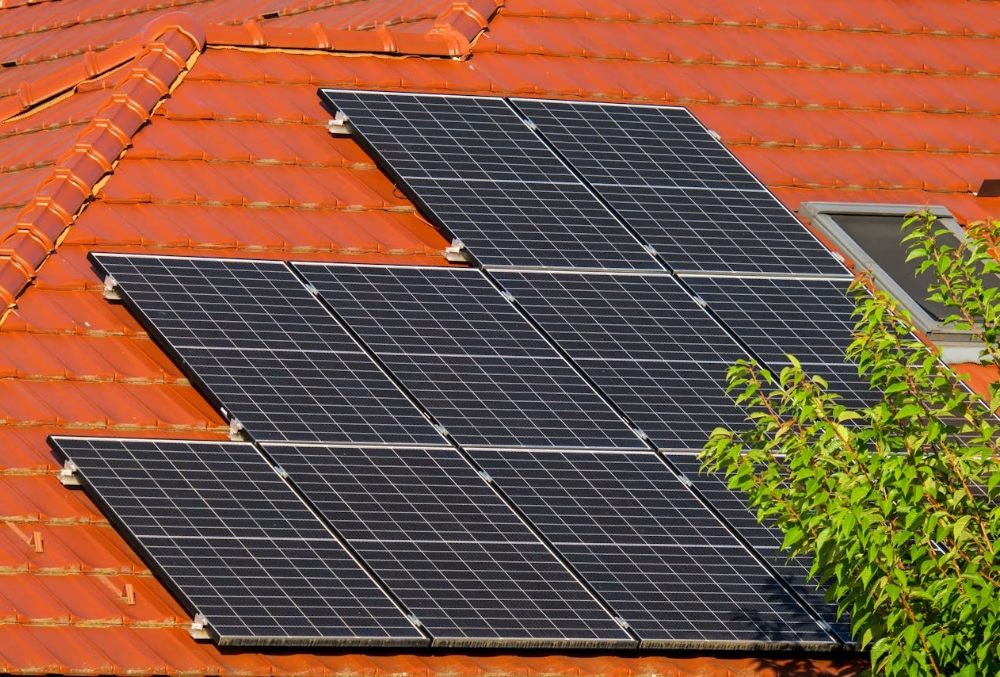
Moving houses in Singapore is already a logistical marathon—between packing the crystalware and ensuring the piano doesn’t get a scratch, the last thing you want to worry about is your roof. While you can technically da bao your residential solar panels to the new place, it isn’t quite as simple as unplugging a fridge and tossing it in the back of a lorry. You have to weigh the sentimental value of your green investment against the cold, hard reality of Singapore’s structural regulations and the sheer labour involved in a high-altitude transplant.
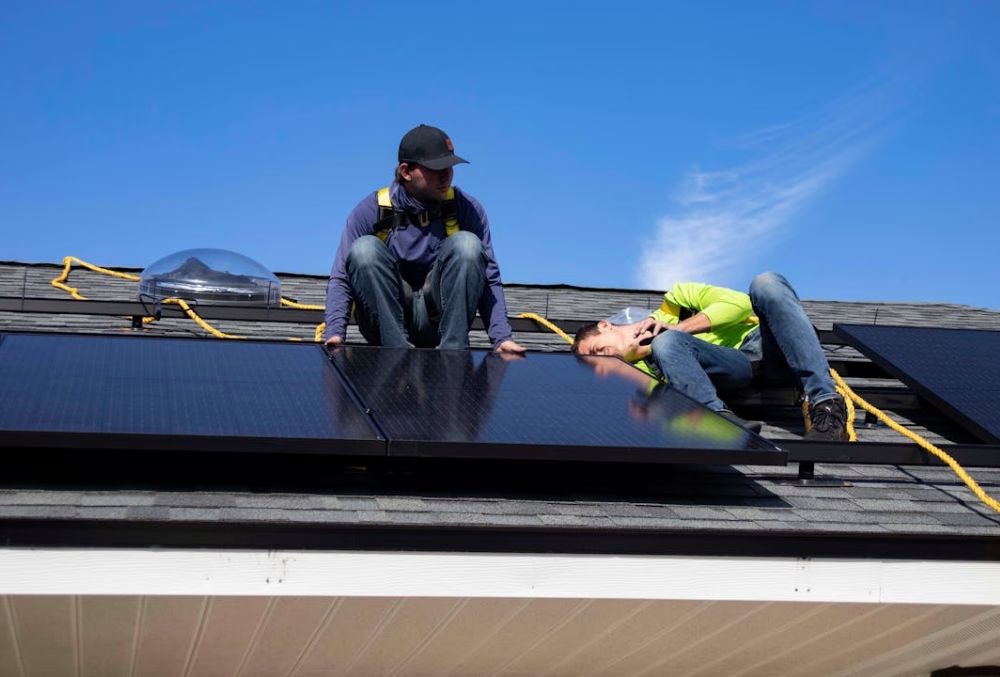
Relocating a solar system is a full-scale engineering project, not a weekend DIY mission for you and a ladder. It requires a specialised crew to ensure your panels don’t end up as expensive frisbees during the transition. Here’s the play-by-play of how the move actually happens:
When you look at the bill, relocating panels can feel like paying for the same chicken rice meal twice. In Singapore, where labour and scaffolding can account for 20% to 30% of an initial installation cost, moving a system means those invisible costs reappear with a vengeance. Between the removal fee, the transport, and the complex re-permitting, you could easily spend $3,000 to $8,000—essentially half the cost of a brand-new, more modern system. Unless your current solar panels are top-of-the-line and only a year old, you might find that the financial lobang is actually in leaving them behind to boost your home’s resale value instead.
If you’re on a rent-to-own solar plan, the process is less about heavy lifting and more about the paperwork. Since the provider still technically owns the hardware during the rental term, you have to follow their playbook before making any moves:
At the end of the day, moving your solar panels is a bit like trying to bring a custom-built wardrobe to a new house. It can be done, but by the time you pay for the specialist carpenter, the transport, and the inevitable adjustments to make it fit, you’ll wish you’d just started fresh with a brand-new set of doors. While the idea of leaving your investment behind feels a bit of a waste, the reality is that the scaffolding and labour costs often make a move less cost-effective than simply using the solar system to command a higher selling price for your current property.
Which is why it’s a good move to treat your solar system like a legacy rather than luggage. If your new roof isn’t an identical twin to your old one, you’re far better off letting those panels continue their work for the next owner while you start a fresh, optimised chapter of energy independence in your new home. After all, the sun is everywhere—you don’t need to pack it in a box to take it with you.